Plumbing isn't just about pipes moving water; it's about managing pressure. If pressure isn't controlled, it destroys fixtures, bursts pipes, and ruins appliances. Here is how three very different devices solve three specific pressure problems.
1. Thermal Expansion Tanks
Purpose: Absorbing Heated Water Expansion
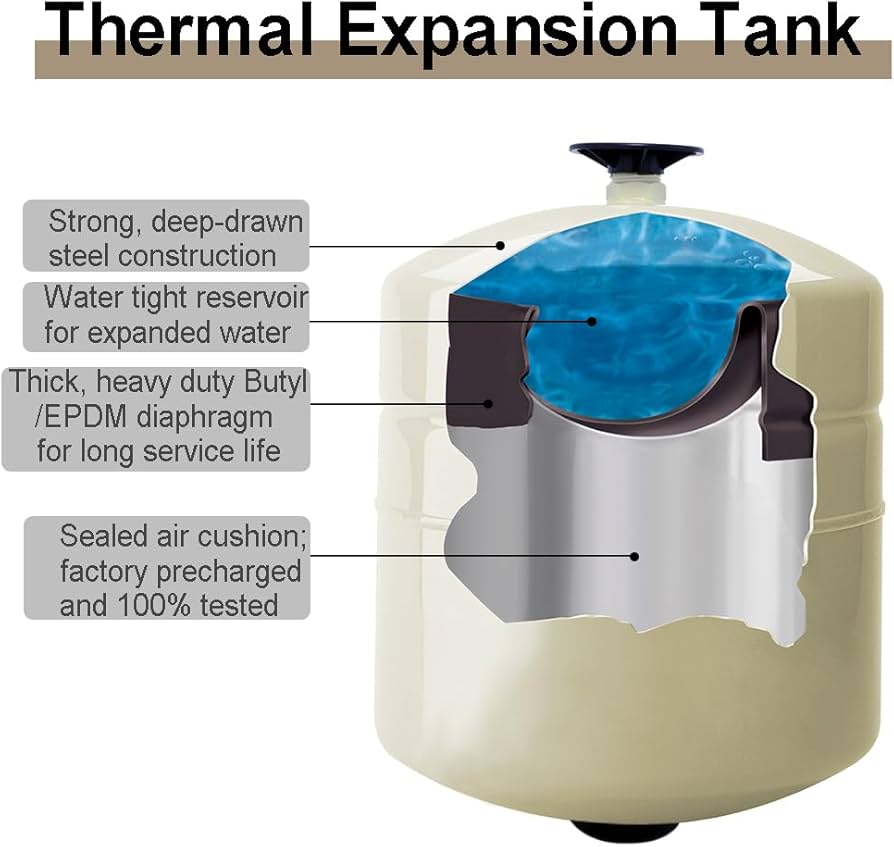
When your water heater fires up, the water inside expands. In a "closed system" (a home with a Pressure Reducing Valve or Backflow Preventer), that expanding water has nowhere to go, causing dangerous pressure spikes.
A Thermal Expansion Tank is a small, basketball-sized tank installed on the cold water line directly above your water heater. It contains a rubber bladder with a cushion of compressed air. When the heated water expands, it pushes into the tank, compressing the air cushion instead of stressing your home's pipes.
- Location: Above the water heater.
- Size: Small (usually 2 to 5 gallons).
- Symptom of Failure: Leaking T&P relief valve on the water heater; premature water heater failure.
2. Well Pressure Tanks
Purpose: Storing Water & Reducing Pump Cycling
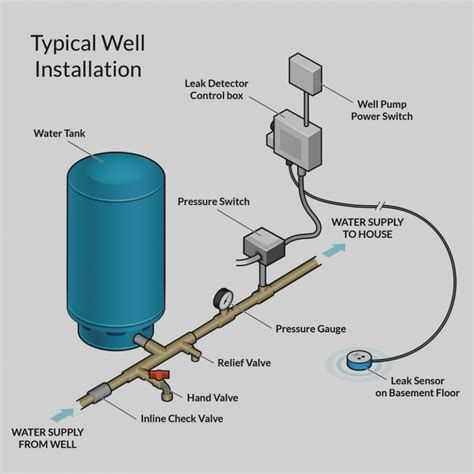
Common in properties on the outskirts of San Antonio and the Hill Country, a Well Pressure Tank works alongside your well pump. Without this tank, your heavy-duty well pump would have to turn on every single time you flush a toilet or wash your hands—which would burn out the motor very quickly.
This large tank stores a reservoir of pressurized water. When you turn on a faucet, the compressed air in the tank pushes the water out. The well pump only turns on when the tank's pressure drops below a certain threshold to refill it.
- Location: Near the well head or where the main water line enters the home.
- Size: Large (typically 20 to 80+ gallons).
- Symptom of Failure: Well pump turning on and off rapidly ("short cycling"); fluctuating water pressure.
3. Water Hammer Arrestors
Purpose: Stopping Hydraulic Shock
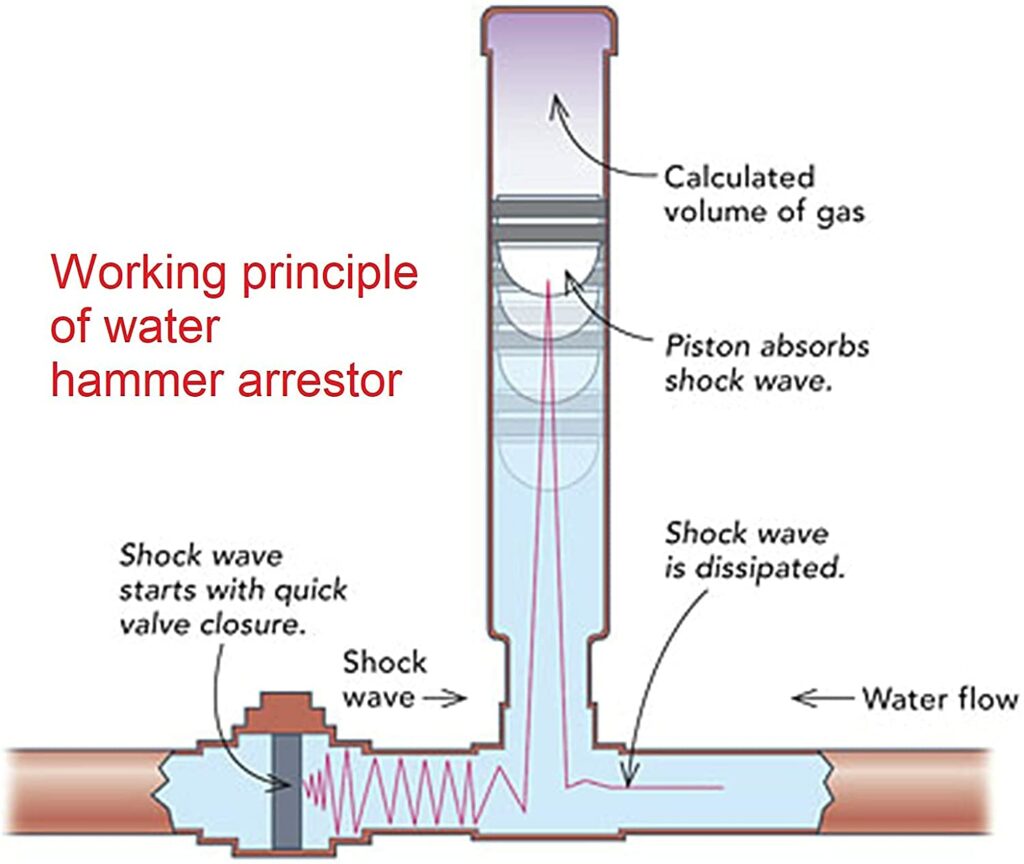
When fast-acting mechanical valves (like the ones in your washing machine, dishwasher, or ice maker) snap shut instantly, the rushing water slams into the closed valve. This creates a shockwave called "Water Hammer" that violently shakes your pipes, causing loud banging noises inside your walls.
A Water Hammer Arrestor is a small, cylindrical device that acts like a shock absorber. It contains a piston and an air chamber. When the water suddenly stops, the shockwave pushes the piston up into the air chamber, quietly absorbing the impact and protecting your pipes from rattling loose.
- Location: Behind washing machines, dishwashers, and refrigerators.
- Size: Very small (size of a cigar tube).
- Symptom of Failure: Loud "banging" or "thumping" in the walls when an appliance finishes filling with water.
Quick Comparison Guide
| Device | What It Does | Where It Lives | What Happens If It Breaks? |
|---|---|---|---|
| Expansion Tank | Absorbs expanding volume from heated water. | Above the Water Heater. | Water heater leaks from the relief valve; pipes undergo extreme pressure stress. |
| Well Tank | Stores water to prevent the well pump from running constantly. | Near the well or main water entry. | Well pump motor burns out from turning on and off too frequently. |
| Hammer Arrestor | Absorbs the shock of fast-closing appliance valves. | Behind Washers, Fridges, and Dishwashers. | Loud banging noises in walls; pipe joints can rattle loose and leak. |
Experiencing Pressure Problems?
Whether you have banging pipes, a leaking water heater, or well pump issues, our licensed plumbers can diagnose and fix it.
Schedule a Service Call