How a PRV Works
In many parts of San Antonio and the surrounding Hill Country, municipal water pressure can exceed 100+ PSI to ensure water reaches fire hydrants and elevated neighborhoods. However, residential plumbing codes dictate that the water pressure inside your home should not exceed 80 PSI (with 50-70 PSI being the ideal range).
A Pressure Reducing Valve (PRV) is a bell-shaped device installed on your main water line before it enters your house. Inside the brass body is a spring-loaded diaphragm. As high-pressure city water enters the valve, it pushes against the diaphragm, which restricts the opening and regulates the water passing through to a safe, consistent pressure.
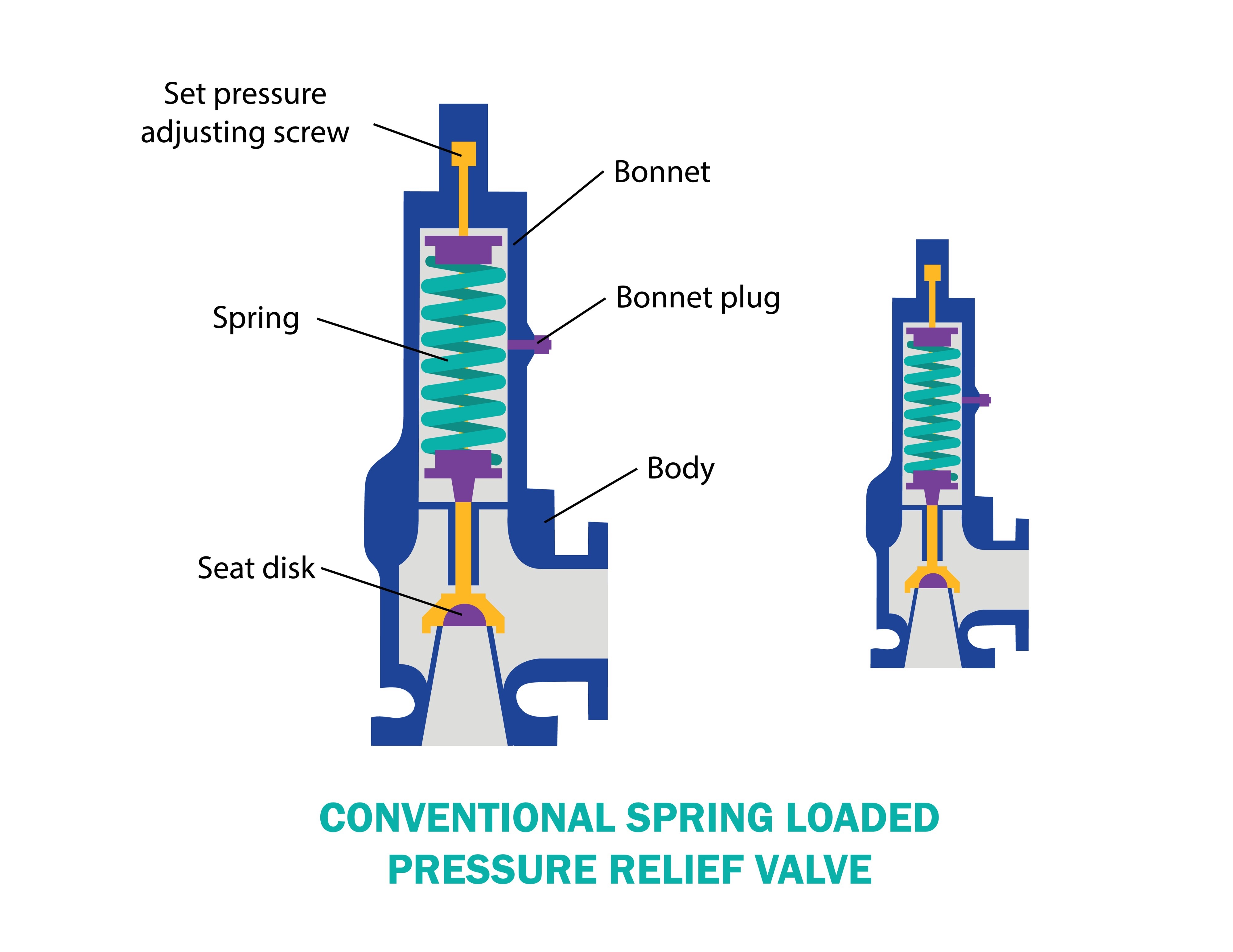
Without a functioning PRV, that 100+ PSI slams directly into your home's pipes, wearing down the rubber seals in your toilets, faucets, and appliances.
8 Common Symptoms of PRV Failure
PRVs work hard 24/7. Over time, the internal rubber diaphragm and springs wear out. If you notice any of these signs, your PRV may have failed.
1. Banging Pipes (Water Hammer)
A loud "thump" or banging noise in the walls when your washing machine or a faucet shuts off quickly.
2. High Pressure at Faucets
Water practically blasts out of the sink or shower, splashing everywhere when you turn it on.
3. Unexplained Low Pressure
Sometimes a PRV fails in the "closed" position, causing a sudden and severe drop in water pressure across the whole house.
4. Leaking Faucets
Multiple faucets beginning to drip or leak at the same time is a classic sign that the cartridges are being overwhelmed by pressure.
5. Vibrating or Whistling Noises
A failing PRV often makes a loud humming, whistling, or vibrating sound that echoes through the pipes when water is running.
6. Fluctuating Pressure
Your water pressure seems completely random—blasting one minute and trickling the next as the internal spring catches and releases.
7. Appliance Valve Failure
Washing machines, dishwashers, and refrigerator ice makers develop sudden leaks at their supply connections.
8. Leaking Water Heater Relief Valve
The T&P (Temperature and Pressure) relief valve on your water heater starts weeping water onto the floor due to system over-pressurization.
The "Closed System" Effect & Thermal Expansion
Why You MUST Add an Expansion Tank
Standard municipal plumbing is an "Open System." If pressure builds up in your house, it can simply push backward into the city water main. However, a PRV acts as a one-way street. Once you install a PRV (or a backflow preventer), your home becomes a "Closed System."
The Danger: Thermal Expansion
When your water heater turns on to heat cold water, that water expands in volume. In an open system, the extra volume pushes back into the city main. In a closed system with a PRV, the expanding water has nowhere to go. This causes the pressure inside your home's pipes to spike dramatically (often exceeding 150 PSI) every time the water heater fires up, putting massive stress on your plumbing.
The Solution:
Whenever we install or replace a PRV, plumbing code requires us to ensure thermal expansion is managed. We do this by installing a Thermal Expansion Tank on the cold water line above your water heater. This small tank contains a rubber bladder and a cushion of air. As the water heats and expands, it pushes into the expansion tank, compressing the air and keeping the pressure inside your home perfectly stable.
Protect Your Plumbing System Today
If you suspect your water pressure is too high, we can test it instantly and replace your failing PRV.
Schedule a Pressure Test